Food tastes better when it is shared from a common dish in the middle of the table.
These twenty-five recipes are built for exactly that.
Big platters, deep pots, and generous boards that bring people together without requiring much fuss from the cook.
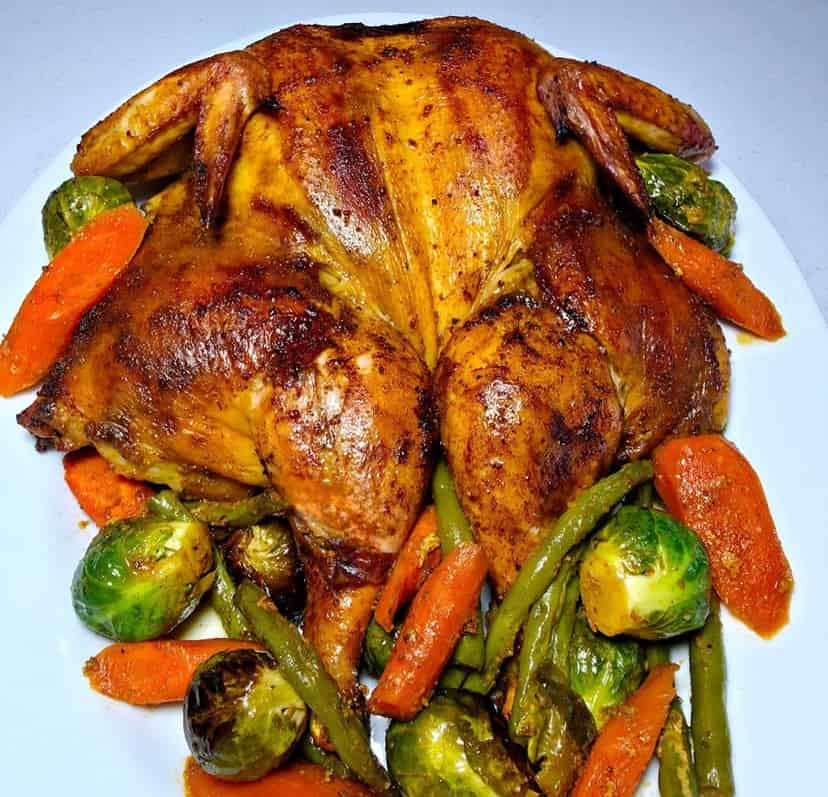
1. Slow Roasted Whole Chicken with Roasted Vegetables
Ingredients
- 1 whole chicken, approximately 4 to 5 lbs, giblets removed
- 1 lb baby potatoes, halved
- 3 medium carrots, cut into large chunks
- 1 large yellow onion, cut into wedges
- 1 whole head of garlic, halved crosswise
- 4 tablespoons unsalted butter, softened
- 5 cloves garlic, minced
- 1 tablespoon fresh thyme leaves
- 1 tablespoon fresh rosemary, finely chopped
- Zest of 1 lemon
- Salt and coarsely ground black pepper to taste
- 1 lemon, halved for stuffing
- Fresh thyme sprigs for roasting
- 1 cup chicken broth
Instructions
Take the chicken out of the refrigerator at least 30 minutes before roasting.
A cold bird straight from the fridge cooks unevenly, leaving the breast overcooked by the time the thighs are done.
Preheat the oven to 425 degrees.
Mix the softened butter with the minced garlic, thyme, rosemary, lemon zest, salt, and pepper until well combined.
Pat the chicken completely dry with paper towels on all surfaces including the cavity.
Dry skin is what gets you genuinely crispy results.
Slide your fingers carefully between the skin and the breast meat to create a pocket.
Push most of the garlic herb butter directly under the skin over both breasts and thighs.
Rub the remaining butter all over the outside of the bird.
Season the cavity generously with salt and pepper and stuff with the halved lemon and a few thyme sprigs.
Scatter the potatoes, carrots, onion, and halved garlic head across a large roasting pan.
Season with salt, pepper, and a drizzle of olive oil.
Toss to coat.
Place the chicken directly on top of the vegetables with the breast side facing up.
Pour the chicken broth around the vegetables in the bottom of the pan.
Roast at 425 degrees for 20 minutes to get the skin started then reduce to 375 degrees
And continue roasting for 1 hour to 1 hour and 20 minutes depending on the size of the bird.
The chicken is done when the juices run completely clear when you pierce the thickest part of the thigh and a thermometer reads 165 degrees.
Let the chicken rest for 15 minutes before carving. Do not skip the rest.
The juices redistribute and the difference in moisture is significant.
Bring the whole roasting pan to the table and carve there for maximum impact.
2. Beef Short Rib Braise with Creamy Polenta

Ingredients
- 4 lbs bone-in beef short ribs
- 1 large yellow onion, diced
- 4 cloves garlic, minced
- 2 medium carrots, diced
- 2 stalks celery, diced
- 1 bottle red wine such as Cabernet or Merlot, 750 ml
- 2 cups beef broth
- 1 can diced tomatoes, 14 oz
- 2 tablespoons tomato paste
- 2 tablespoons olive oil
- 1 teaspoon dried thyme
- 1 teaspoon dried rosemary
- 1 bay leaf
- Salt and black pepper to taste
- Fresh parsley for serving
For the polenta:
- 1 and 1/2 cups coarse polenta
- 6 cups chicken broth
- 3 tablespoons unsalted butter
- 1 cup grated Parmesan cheese
- Salt and black pepper to taste
Instructions
Season the short ribs very generously on all sides with salt and coarsely ground black pepper.
Heat the olive oil in a large Dutch oven over medium-high heat.
Sear the ribs in batches for 3 to 4 minutes per side until deeply browned on every surface.
Do not crowd the pot.
Proper browning here is what builds the foundation of the braise so take your time.
Remove each batch and set aside.
Reduce the heat to medium.
Add the onion, carrots, and celery to the same pot and cook for about 5 minutes until softened.
Add the garlic and tomato paste and stir for 2 minutes until the paste darkens slightly.
Pour in the red wine and scrape up every browned bit stuck to the bottom of the pot.
Let the wine simmer for 5 minutes until the sharp alcohol smell mellows.
Add the beef broth, diced tomatoes, thyme, rosemary, and bay leaf.
Return the short ribs to the pot.
The liquid should come about two thirds of the way up the ribs.
Bring to a simmer, cover tightly, and cook in a 325-degree oven for 3 to 3.5 hours until the meat is completely tender and pulling away from the bone.
Bring the chicken broth to a boil for the polenta.
Pour in the polenta in a slow steady stream while whisking constantly.
Reduce heat to low and cook for 20 to 25 minutes, stirring frequently, until thick and creamy.
Stir in the butter and Parmesan.
Season generously.
Remove the bay leaf from the braise.
Serve the short ribs over polenta in a wide shallow bowl in the center of the table with the braising liquid spooned over everything and fresh parsley scattered on top.
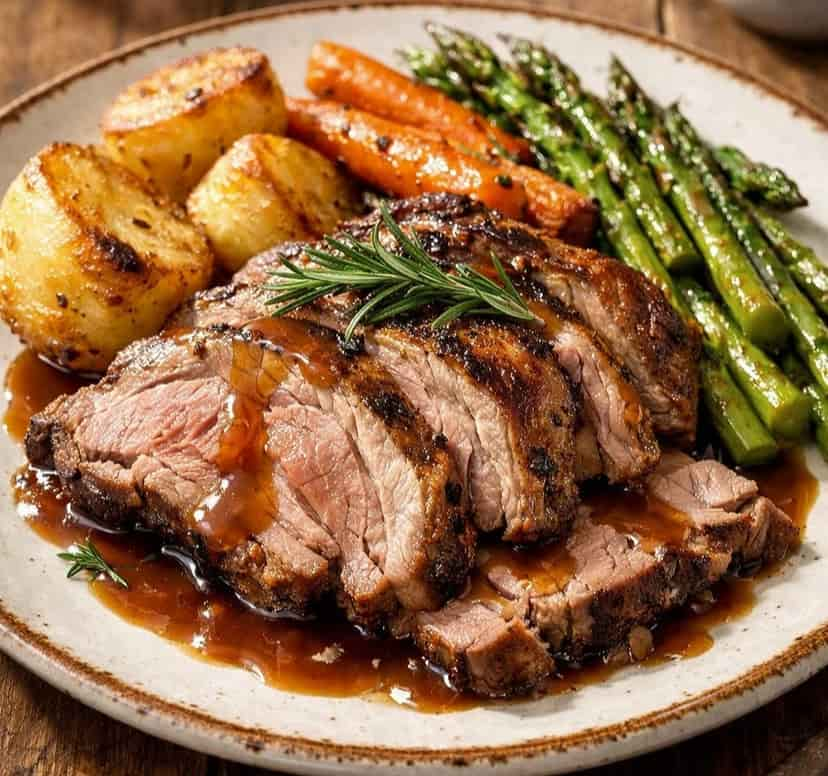
3. Lamb Shoulder with Roasted Garlic and Herbs
Ingredients
- 1 bone-in lamb shoulder, approximately 4 lbs
- 2 heads garlic, cloves separated and peeled
- 4 tablespoons olive oil
- 2 tablespoons fresh rosemary, finely chopped
- 1 tablespoon fresh thyme leaves
- Zest and juice of 1 lemon
- 1 teaspoon dried oregano
- 1 cup white wine or chicken broth
- Salt and coarsely ground black pepper to taste
- Fresh rosemary sprigs for roasting
- Crusty bread and a simple green salad for serving
Instructions
Preheat the oven to 325 degrees.
Score the lamb shoulder all over with a sharp knife making about a dozen deep cuts across the surface.
Stuff a peeled garlic clove into each cut, pressing it in deeply.
Mix the olive oil, chopped rosemary, thyme, lemon zest, lemon juice, oregano, salt, and pepper together into a paste.
Rub this all over every surface of the lamb shoulder, pressing it into the scored cuts and underneath any fat cap.
Place the lamb in a large roasting pan.
Scatter any remaining garlic cloves around the bottom of the pan along with the fresh rosemary sprigs.
Pour the white wine or broth into the bottom of the pan.
Cover the entire pan tightly with two layers of foil so no steam can escape.
Slow roast at 325 degrees for 4 to 4.5 hours.
Remove the foil and increase the oven to 425 degrees for the final 20 to 30 minutes to brown and caramelize the surface.
The lamb is done when it pulls apart easily with a fork and the surface is golden and slightly charred in spots.
Let rest for 15 minutes before pulling the meat apart directly in the pan.
Serve from the roasting pan with all the roasted garlic and pan juices spooned over the top alongside crusty bread and a green salad.
4. Chicken and Sausage Jambalaya

Ingredients
- 1 and 1/2 lbs boneless skinless chicken thighs, diced
- 1 lb andouille sausage, sliced
- 1 and 1/2 cups long grain white rice, uncooked
- 3 cups chicken broth
- 1 can diced tomatoes, 14 oz
- 1 large yellow onion, diced
- 3 stalks celery, diced
- 1 green bell pepper, diced
- 4 cloves garlic, minced
- 2 tablespoons neutral oil
- 1 tablespoon Cajun seasoning
- 1 teaspoon smoked paprika
- 1 teaspoon dried thyme
- 1 teaspoon dried oregano
- 1/2 teaspoon cayenne pepper
- Salt and black pepper to taste
- 3 green onions, sliced
- Fresh parsley for serving
Instructions
Heat the oil in a very large heavy pot or Dutch oven over medium-high.
Season the chicken with half the Cajun seasoning, salt, and pepper.
Cook for 4 to 5 minutes until golden on the outside.
Remove and set aside.
Brown the andouille slices in the same pot for 3 minutes per side.
Remove and set aside with the chicken.
Add the onion, celery, and bell pepper and cook in the remaining fat for 5 minutes.
Add the garlic, remaining Cajun seasoning, smoked paprika, thyme, oregano, and cayenne and stir for a minute.
Add the rice and stir it around for a minute until lightly coated.
Pour in the broth and diced tomatoes with their juices.
Stir well and season with salt.
Return the chicken and sausage to the pot.
Bring to a boil then reduce the heat to low, cover tightly, and cook for 20 minutes without lifting the lid.
After 20 minutes remove from heat and rest covered for 5 minutes.
Fluff with a fork.
Taste and adjust seasoning.
Scatter green onions and fresh parsley over the top.
Bring the pot directly to the table.
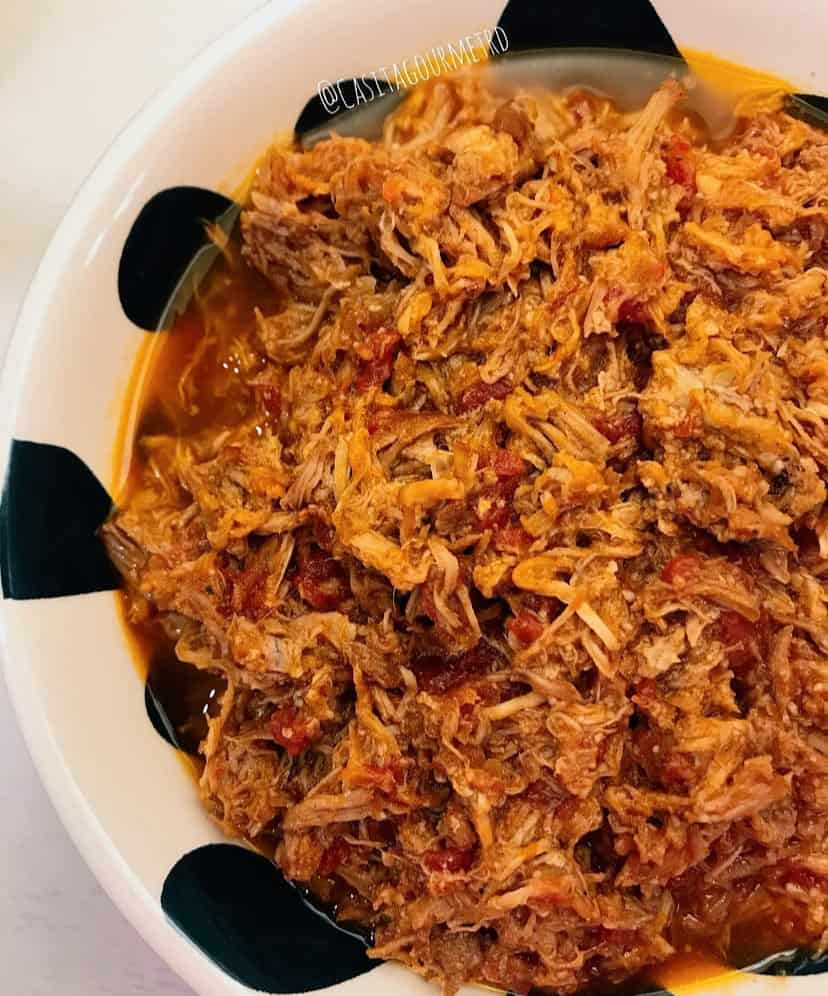
5. Slow Cooker Pork Shoulder Carnitas Board
Ingredients
- 4 lbs boneless pork shoulder
- Juice of 2 oranges, peel reserved
- Juice of 2 limes
- 4 cloves garlic, smashed
- 1 teaspoon cumin
- 1 teaspoon smoked paprika
- 1 teaspoon dried oregano
- 1 teaspoon chili powder
- Salt and black pepper to taste
For the board:
- Warm corn and flour tortillas
- Guacamole
- Pico de gallo
- Shredded cabbage
- Sour cream
- Crumbled cotija cheese
- Pickled red onions
- Fresh cilantro
- Lime wedges
- Sliced jalapeños
- Hot sauce
Instructions
Season the pork shoulder all over with the cumin, smoked paprika, oregano, chili powder, salt, and pepper.
Place in the slow cooker.
Add the orange juice, lime juice, orange peel, and smashed garlic around the pork.
Cook on low for 8 to 10 hours or high for 5 to 6 hours until the pork pulls apart without any resistance.
Remove the pork and shred it completely with two forks.
Reserve some of the cooking liquid.
Spread the shredded pork on a large baking sheet.
Spoon a few tablespoons of the reserved cooking liquid over the pork.
Broil for 4 to 5 minutes until the edges are crispy and caramelized.
Watch carefully.
The sugars in the citrus and pork juices burn quickly under a broiler.
Build the board.
Place the carnitas in the center of a large wooden board or serving platter.
Arrange the tortillas, guacamole, pico de gallo, shredded cabbage, sour cream, cotija, pickled onions, cilantro, lime wedges, jalapeños, and hot sauce around it.
The carnitas board format is one of the most sociable ways to serve dinner because everyone builds their own plate exactly how they want it.
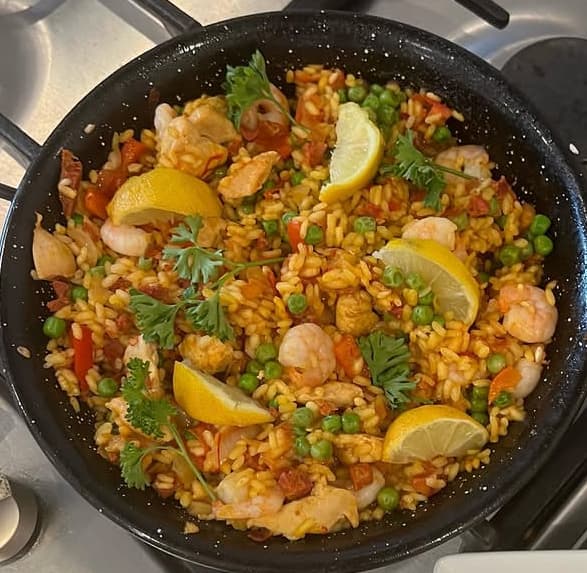
6. One-Pan Paella
Ingredients
- 1 and 1/2 cups paella rice or short-grain Spanish rice
- 1 lb chicken thighs, bone-in skin-on
- 1 lb large shrimp, peeled and deveined
- 1/2 lb mussels, scrubbed
- 1/2 cup frozen peas
- 1 large yellow onion, finely diced
- 4 cloves garlic, minced
- 1 red bell pepper, finely diced
- 1 can diced tomatoes, 14 oz, drained
- 3 cups chicken broth
- 1/2 teaspoon saffron threads, dissolved in 2 tablespoons warm water
- 1 teaspoon smoked paprika
- 3 tablespoons olive oil
- Salt and black pepper to taste
- Fresh lemon wedges and parsley for serving
Instructions
Heat the olive oil in a very large wide paella pan or the largest skillet you own over medium-high heat.
Season the chicken thighs with smoked paprika, salt, and pepper and sear skin-side down for 5 to 6 minutes until deeply golden.
Flip and cook for another 3 minutes.
Remove and set aside.
Add the onion and bell pepper and cook for 4 minutes.
Add the garlic and drained tomatoes and stir for 2 minutes.
Add the rice and stir to coat in the oil and vegetables for about a minute.
Pour in the chicken broth and saffron water.
Stir once to distribute everything and season generously with salt.
Nestle the chicken thighs skin-side up into the rice.
Bring to a boil then reduce to medium-low.
Do not stir again after this point.
Stirring releases the starch from the rice and prevents the socarrat,
The crispy rice crust at the bottom that is the most prized part of a good paella.
Cook uncovered for 15 minutes.
Add the shrimp, mussels, and frozen peas across the surface.
Cook for another 8 to 10 minutes until the shrimp are pink, the mussels have opened, and the rice has absorbed all the liquid.
Discard any mussels that remain closed.
Bring the whole pan directly to the table.
Serve with lemon wedges and parsley.
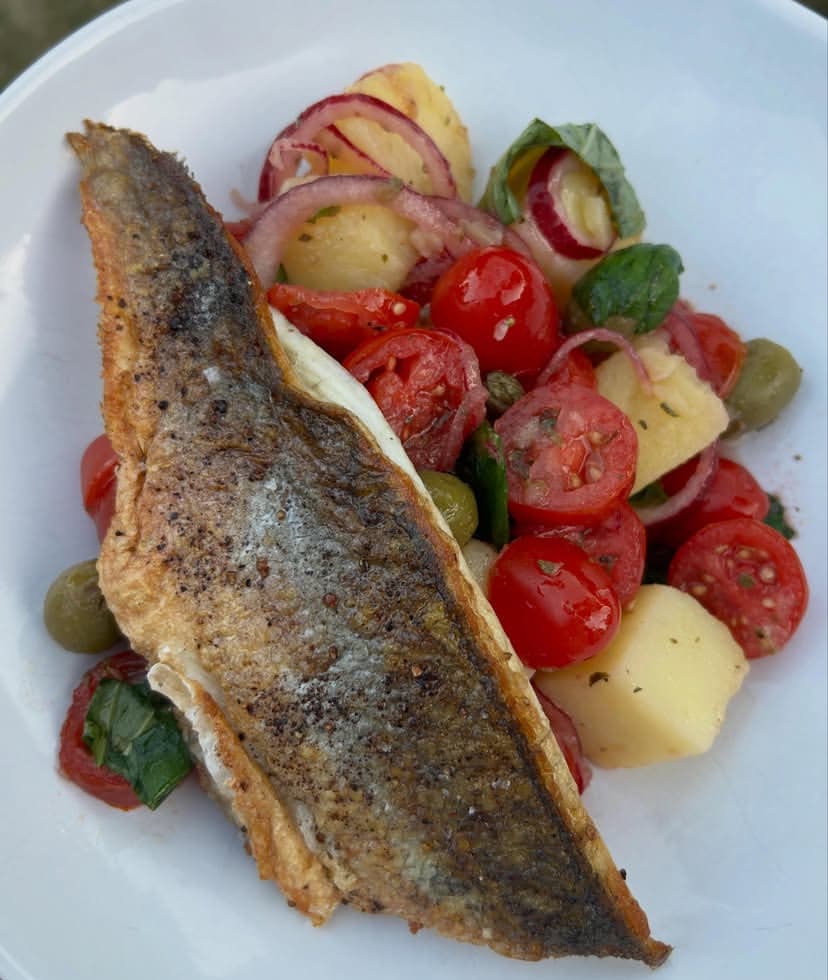
7. Whole Baked Sea Bass with Mediterranean Vegetables
Ingredients
- 2 whole sea bass or branzino, approximately 2 lbs each, cleaned
- 2 cups cherry tomatoes
- 1 red onion, thinly sliced into rings
- 4 cloves garlic, thinly sliced
- 1 cup kalamata olives, pitted
- 1 lemon, thinly sliced into rounds
- 3 tablespoons olive oil
- 1 teaspoon dried oregano
- 1/2 teaspoon red pepper flakes
- Salt and black pepper to taste
- Fresh flat-leaf parsley and dill for serving
Instructions
Preheat the oven to 400 degrees.
Pat the fish dry inside and out with paper towels.
Score the skin on both sides of each fish by making three shallow diagonal cuts through the skin.
This helps the fish cook more evenly and allows the seasoning to penetrate.
Season the inside cavity of each fish with salt and pepper.
Stuff each cavity with a few lemon slices, some garlic slices, and a sprig of herbs.
Arrange the cherry tomatoes, red onion rings, remaining garlic, and olives in a large baking dish or roasting pan.
Drizzle with olive oil and season with oregano, red pepper flakes, salt, and pepper.
Toss together and spread into an even layer.
Lay the whole fish on top of the vegetables.
Drizzle the tops of the fish with olive oil and season the exterior with salt and pepper.
Lay the remaining lemon slices over the fish.
Bake for 25 to 30 minutes until the flesh is opaque and flakes easily when pressed at the thickest point.
Scatter fresh parsley and dill over the top.
Bring the baking dish straight to the table and serve family style.
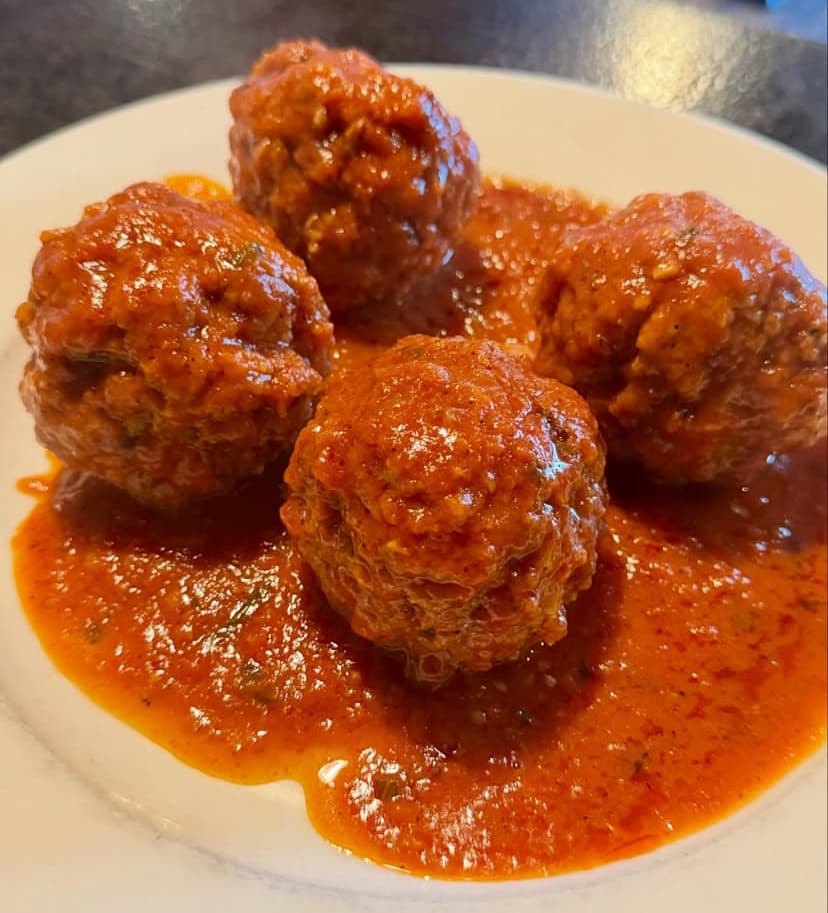
8. Giant Meatballs in Tomato Sauce
Ingredients
For the meatballs:
- 2 lbs ground beef
- 1/2 lb ground pork
- 1 cup Italian breadcrumbs
- 3/4 cup whole milk
- 2 large eggs
- 6 cloves garlic, minced
- 1/2 cup grated Parmesan cheese
- 3 tablespoons fresh parsley, finely chopped
- 1 teaspoon Italian seasoning
- 1 teaspoon onion powder
- Salt and black pepper to taste
For the tomato sauce:
- 2 cans crushed tomatoes, 28 oz each
- 1 small yellow onion, finely diced
- 5 cloves garlic, thinly sliced
- 3 tablespoons olive oil
- 1 teaspoon sugar
- 1 teaspoon dried basil
- Salt and pepper to taste
- Pasta or crusty bread for serving
- Grated Parmesan and fresh basil for serving
Instructions
Combine the breadcrumbs and milk in a large bowl and let them soak for 5 minutes.
Add the ground beef, ground pork, eggs, garlic, Parmesan, parsley, Italian seasoning, onion powder, salt, and pepper.
Mix with your hands until just combined.
Do not overmix.
Roll into very large balls about the size of a tennis ball.
You should get about 10 to 12 from this mixture.
Preheat the oven to 425 degrees.
Arrange the meatballs on a rimmed baking sheet and roast for 20 to 22 minutes until browned on the outside and cooked through.
While the meatballs roast, make the sauce.
Heat the olive oil in a large wide pot over medium heat.
Cook the onion for 4 minutes until soft.
Add the garlic and stir for 2 minutes until pale golden.
Pour in the crushed tomatoes and add the sugar, dried basil, salt, and pepper.
Simmer uncovered for 20 minutes until the sauce thickens and deepens.
Transfer the roasted meatballs into the simmering sauce and cook together for at least 15 minutes.
The longer they sit in the sauce the more tender and flavorful they become.
Serve in the pot or a large wide bowl in the center of the table with pasta or crusty bread and Parmesan and fresh basil alongside.
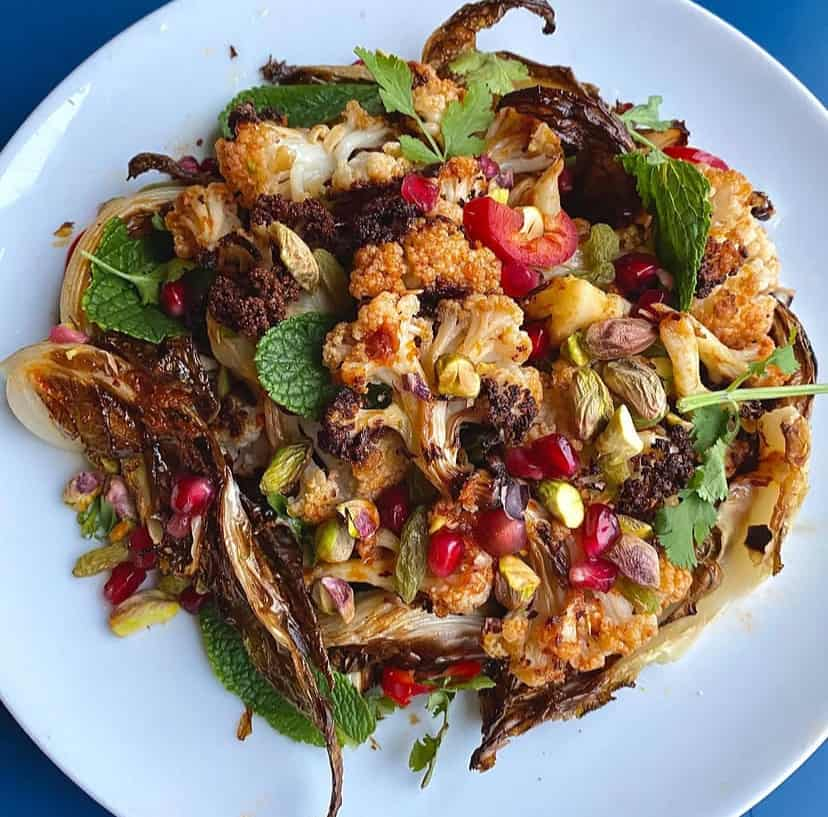
9. Whole Roasted Cauliflower with Tahini and Pomegranate
Ingredients
- 2 whole heads cauliflower, outer leaves removed
- 4 tablespoons olive oil
- 1 teaspoon smoked paprika
- 1 teaspoon cumin
- 1 teaspoon garlic powder
- 1/2 teaspoon turmeric
- Salt and black pepper to taste
For the tahini sauce:
- 1/2 cup tahini
- Juice of 1 and 1/2 lemons
- 3 cloves garlic, finely grated
- 1/3 cup warm water
- Salt to taste
For serving:
- 1/2 cup pomegranate seeds
- 1/4 cup fresh parsley, roughly chopped
- 1/4 cup fresh mint leaves
- 3 tablespoons toasted pine nuts
- Extra olive oil for drizzling
Instructions
Preheat the oven to 400 degrees.
Mix the olive oil, smoked paprika, cumin, garlic powder, turmeric, salt, and pepper into a paste.
Rub this all over both cauliflower heads, getting into every crevice between the florets.
Place them on a baking sheet or in a large roasting pan.
Roast for 45 to 55 minutes until the cauliflower is deeply golden and caramelized on the outside and a knife slides into the center of the stem with no resistance.
For a more charred result, broil for the last 5 minutes.
Whisk the tahini, lemon juice, garlic, and warm water together until smooth.
It will look seized at first but keep whisking and adding water until creamy and pourable.
Season with salt and taste.
Pool the tahini sauce onto a large serving platter.
Place both whole cauliflower heads directly onto the sauce.
Drizzle more tahini over and around them.
Scatter pomegranate seeds, fresh parsley, mint leaves, and toasted pine nuts over everything. Finish with a drizzle of olive oil.
Bring the platter to the table whole.
People break pieces off the cauliflower as they eat which makes it one of the most interactive and visually impressive things you can put in the center of a table.
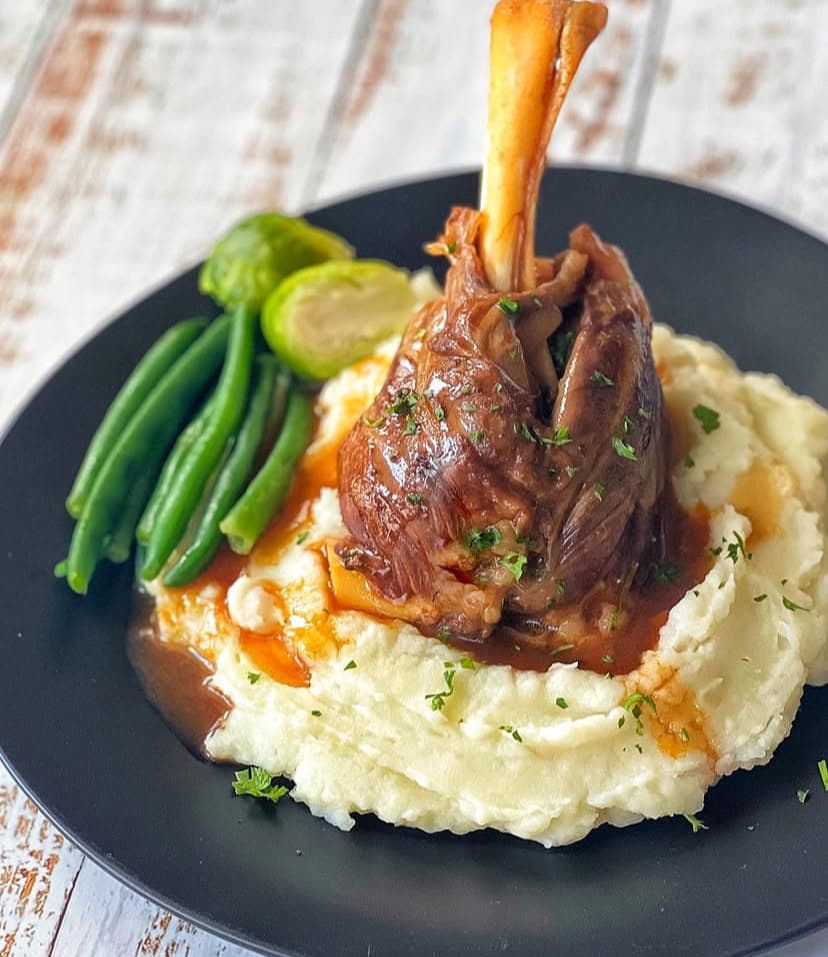
10. Slow Cooked Lamb Shanks with White Bean Stew
Ingredients
- 4 lamb shanks
- 1 large yellow onion, diced
- 4 cloves garlic, minced
- 2 medium carrots, diced
- 2 cans white cannellini beans, 15 oz each, drained and rinsed
- 1 can crushed tomatoes, 28 oz
- 2 cups chicken or beef broth
- 1 cup red wine
- 2 tablespoons olive oil
- 1 tablespoon tomato paste
- 1 teaspoon dried rosemary
- 1 teaspoon dried thyme
- 1 bay leaf
- Salt and black pepper to taste
Gremolata for serving:
- 1/4 cup finely chopped parsley, zest of 1 lemon, 1 clove garlic finely grated
- Crusty bread for serving
Instructions
Season the lamb shanks very generously with salt and pepper on all sides.
Heat the olive oil in a very large Dutch oven over medium-high.
Sear the shanks for 3 to 4 minutes per side until deeply browned all over.
Work in batches if needed.
Remove and set aside.
Reduce the heat to medium.
Cook the onion, carrots, and celery for 5 minutes.
Add the garlic and tomato paste and stir for 2 minutes.
Pour in the red wine and scrape up the browned bits.
Simmer for 3 minutes.
Add the crushed tomatoes, broth, rosemary, thyme, and bay leaf.
Return the lamb shanks to the pot.
The liquid should come about halfway up the shanks.
Bring to a simmer, cover, and cook in a 325-degree oven for 2.5 to 3 hours.
Add the white beans during the last 30 minutes of cooking.
They absorb the braising liquid beautifully.
When the shanks are done the meat should be pulling away from the bone.
Mix the gremolata ingredients together.
Scatter over the shanks before serving.
Bring the Dutch oven directly to the table with crusty bread alongside.
11. Big Pot of Beef Chili
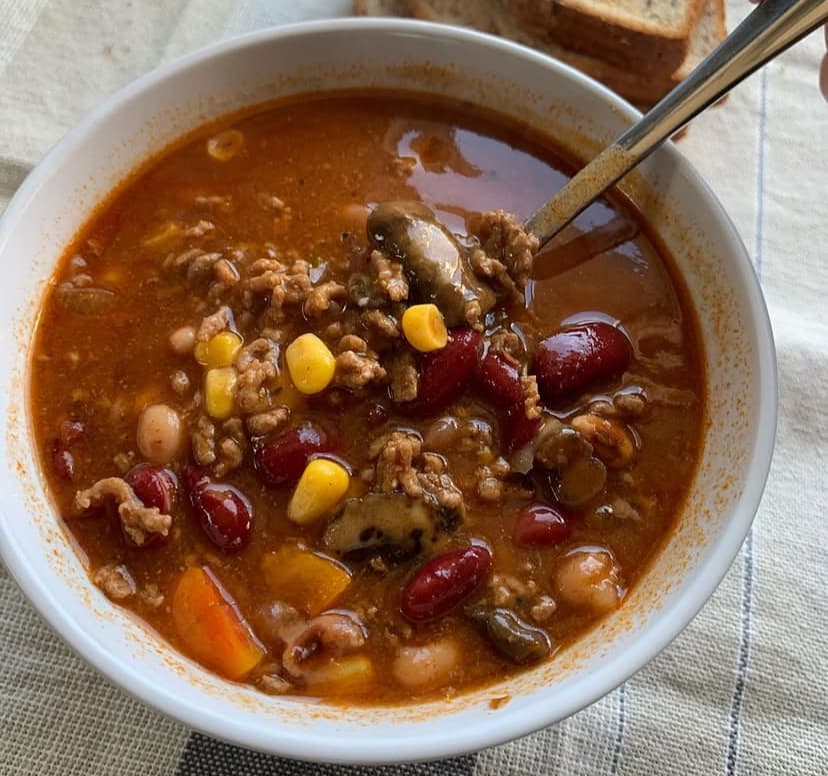
Ingredients
- 3 lbs beef chuck, cut into small cubes or coarsely ground
- 4 dried ancho chiles, stemmed and seeded
- 2 dried guajillo chiles, stemmed and seeded
- 2 cans kidney beans, 15 oz each, drained and rinsed
- 1 can black beans, 15 oz, drained and rinsed
- 1 can crushed tomatoes, 28 oz
- 1 large yellow onion, diced
- 5 cloves garlic, minced
- 2 tablespoons olive oil
- 2 tablespoons chili powder
- 1 tablespoon cumin
- 1 teaspoon smoked paprika
- 1 teaspoon dried oregano
- 1/2 teaspoon cayenne
- 2 cups beef broth
- Salt and black pepper to taste
For the table:
- Shredded cheddar, sour cream, sliced green onions, pickled jalapeños, diced white onion, fresh cilantro, lime wedges, and cornbread
Instructions
Toast the dried chiles in a dry skillet for 30 seconds per side until fragrant.
Soak in boiling water for 20 minutes until softened.
Drain and blend with half a cup of broth until completely smooth.
Heat the oil in a large heavy pot over medium-high.
Season the beef and sear in batches for 3 to 4 minutes per side until deeply browned.
Remove and set aside.
Add the onion to the same pot and cook for 4 minutes.
Add the garlic, chili powder, cumin, smoked paprika, oregano, and cayenne and stir for a minute.
Return the beef.
Add the chile puree, crushed tomatoes, remaining broth, and all the beans.
Stir well.
Bring to a simmer then cover partially and cook over low heat for 2 to 2.5 hours until the beef is completely tender and the chili has deepened and thickened.
Taste and adjust seasoning generously.
Set out all the toppings in separate bowls in the middle of the table.
Bring the pot of chili alongside and let everyone top their bowl exactly how they want it.
12. Whole Baked Ham with Honey Glaze
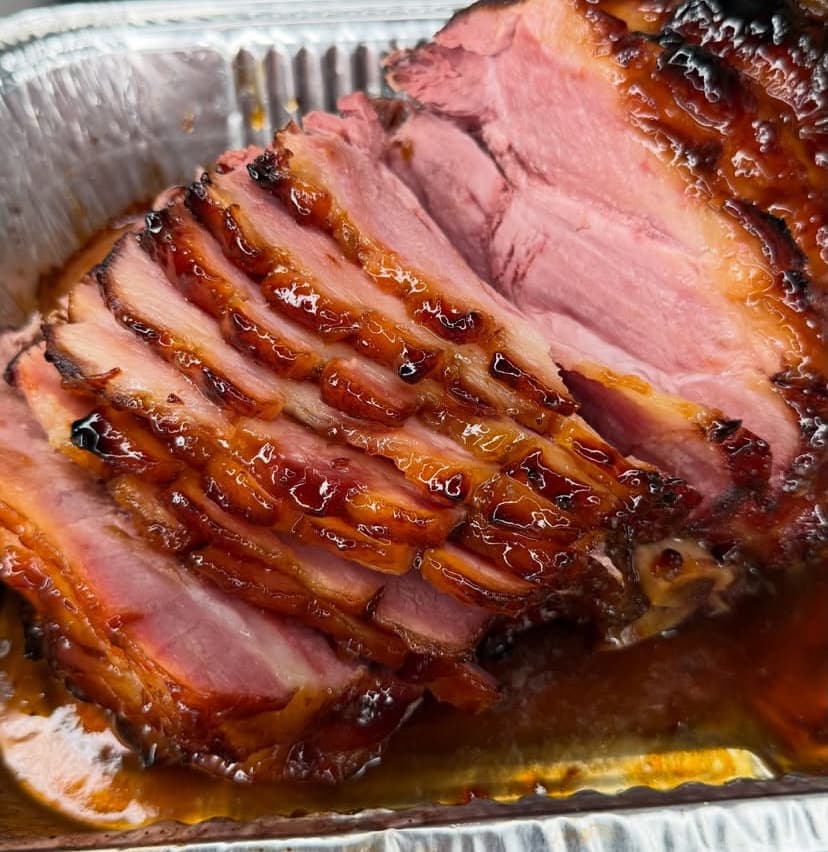
Ingredients
- 1 bone-in fully cooked ham, approximately 8 lbs
For the glaze:
- 1/3 cup honey
- 3 tablespoons Dijon mustard
- 2 tablespoons brown sugar
- 1 tablespoon apple cider vinegar
- 1 teaspoon smoked paprika
- 1/4 teaspoon cloves
- Salt and black pepper to taste
For serving:
- Roasted sweet potatoes
- Braised greens
- Crusty rolls
Instructions
Remove the ham from the refrigerator an hour before cooking.
Preheat the oven to 325 degrees.
Score the surface of the ham in a crosshatch pattern, cutting about a quarter inch deep through the skin and into the fat.
Place the ham cut-side down in a large roasting pan.
Pour half a cup of water into the bottom of the pan.
Cover the entire pan tightly with foil.
Bake at 325 degrees for about 15 to 18 minutes per pound until the internal temperature reads 140 degrees.
Whisk the honey, Dijon, brown sugar, vinegar, smoked paprika, and cloves together for the glaze.
Remove the foil from the ham about 30 minutes before it is done.
Brush the glaze generously over every surface, getting it into the scored cuts.
Return to the oven uncovered.
Brush with more glaze every 10 minutes until the surface is deeply caramelized, sticky, and beautifully lacquered.
Let the ham rest for 15 minutes before slicing.
Bring it to the table whole on a large carving board and slice there.
The drama of a whole glazed ham being carved at the table is one of the great pleasures of family-style dining.
13. Roasted Leg of Lamb with Herbs and Lemon
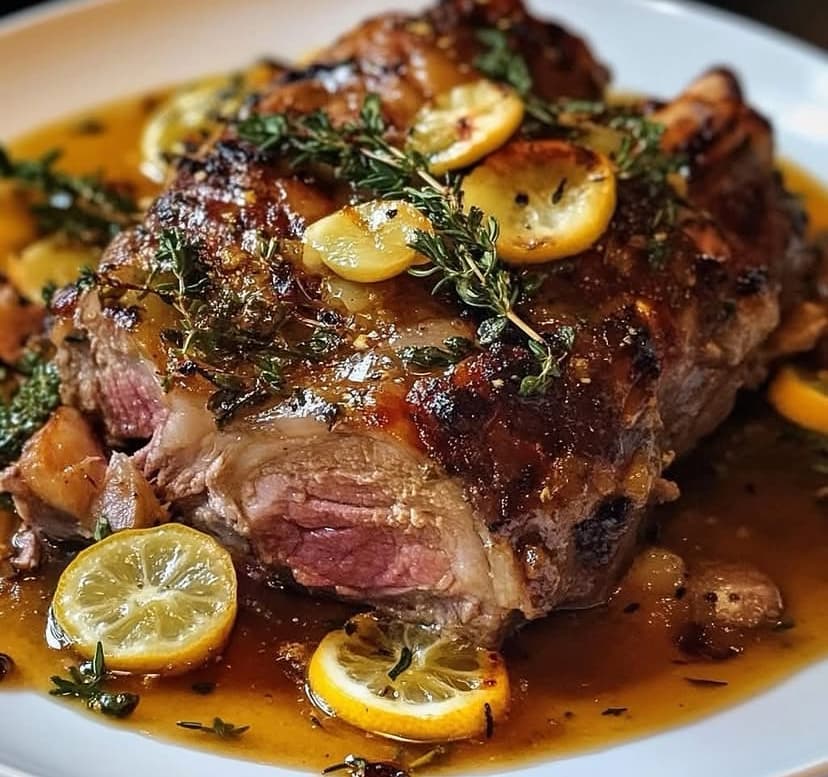
Ingredients
- 1 bone-in leg of lamb, approximately 5 to 6 lbs
- 8 cloves garlic, sliced into slivers
- 3 tablespoons olive oil
- 3 tablespoons fresh rosemary, finely chopped
- 2 tablespoons fresh thyme leaves
- Zest and juice of 1 lemon
- 1 teaspoon smoked paprika
- Salt and coarsely ground black pepper to taste
- 1 cup white wine or chicken broth
For serving:
- Roasted potatoes, tzatziki, flatbread, and a simple cucumber tomato salad
Instructions
Preheat the oven to 450 degrees.
Using a sharp paring knife, make about 20 small deep incisions all over the leg of lamb.
Push a sliver of garlic deep into each incision.
Mix the olive oil, rosemary, thyme, lemon zest, lemon juice, smoked paprika, salt, and pepper together into a thick paste.
Rub this aggressively all over every surface of the lamb, pressing it in firmly.
Place the lamb in a large roasting pan.
Pour the wine or broth into the bottom of the pan.
Roast at 450 degrees for 15 minutes to get the surface started then reduce to 350 degrees and continue roasting for about 1 hour and 15 minutes for medium doneness with an internal temperature of 135 to 140 degrees at the thickest point.
Let the lamb rest for at least 15 minutes.
The internal temperature will continue to rise during resting.
Carve at the table from a large wooden board.
Serve with tzatziki, flatbread, roasted potatoes, and a cucumber tomato salad spread around the table.
14. Seafood Boil
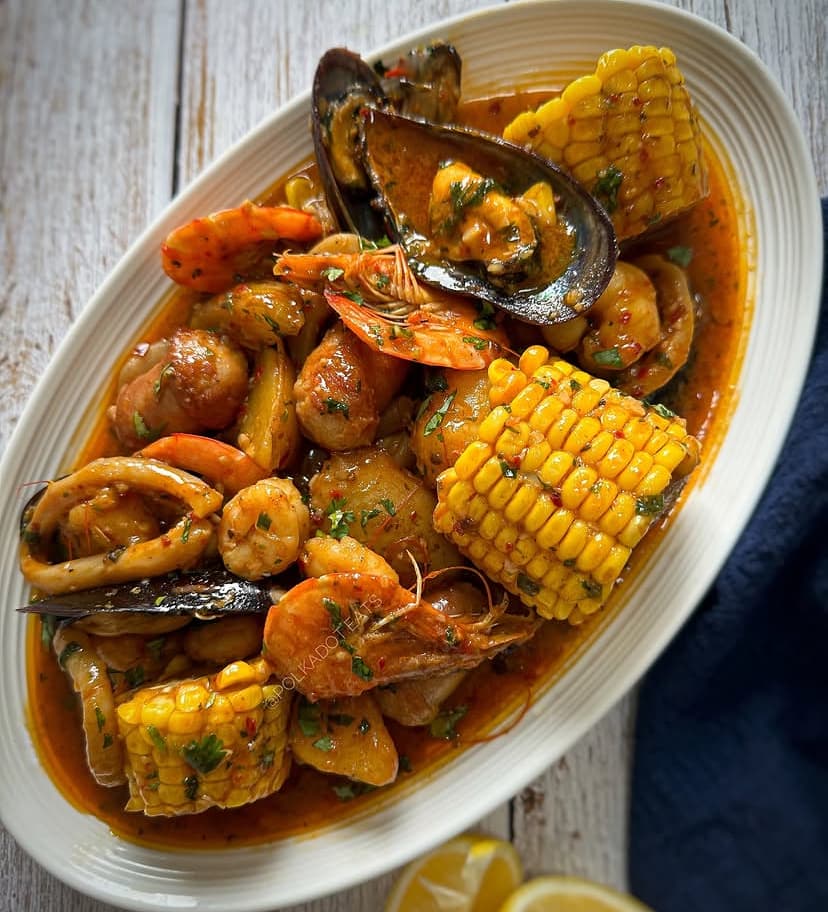
Ingredients
- 2 lbs large shrimp, shell-on
- 2 lbs snow crab legs, cut into sections
- 1 lb littleneck clams, scrubbed
- 4 ears fresh corn, cut into thirds
- 1 and 1/2 lbs baby red potatoes
- 1 lb andouille sausage, cut into large chunks
For the seasoned broth:
- 5 quarts water
- 1/2 cup Old Bay seasoning or Cajun seasoning
- 1 lemon, halved
- 1 head of garlic, halved crosswise
- 2 bay leaves
- Salt to taste
For the garlic butter sauce:
- 8 tablespoons unsalted butter
- 8 cloves garlic, minced
- 1 tablespoon lemon juice
- 1 tablespoon hot sauce
- 1 teaspoon smoked paprika
- Fresh parsley, cocktail sauce, and lemon wedges for serving
Instructions
Fill a very large pot with the 5 quarts of water.
Add the Old Bay, lemon halves, garlic head, bay leaves, and a generous amount of salt.
Bring to a rolling boil over high heat.
Let the broth boil for 5 minutes so the aromatics flavor the water properly.
Add the potatoes first since they take the longest.
Boil for 10 minutes.
Add the corn and sausage and boil for 5 more minutes.
Add the clams and crab legs and boil for 4 minutes.
Add the shrimp last and cook for exactly 3 to 4 minutes until pink and opaque.
Everything should be cooked through at this point.
Drain everything in a large colander.
Make the garlic butter sauce while the seafood drains.
Melt the butter in a small saucepan over medium.
Add the garlic and cook for a minute.
Add the lemon juice, hot sauce, and smoked paprika and stir together.
Line the center of the table with newspaper or butcher paper.
Dump everything directly onto the table.
Pour the garlic butter sauce over it all.
Scatter fresh parsley. Put cocktail sauce, extra hot sauce, and lemon wedges around the edges.
Everyone eats directly from the table.
This is genuinely one of the most fun ways to eat dinner with a group.
15. Chicken Tagine with Preserved Lemons and Olives
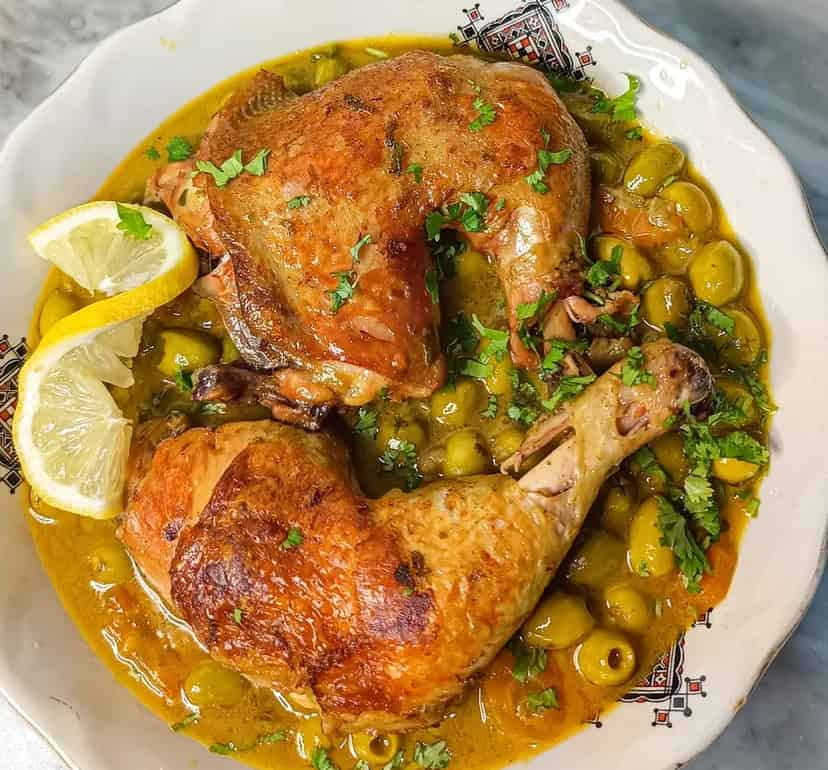
Ingredients
- 8 bone-in skin-on chicken thighs
- 1 large yellow onion, thinly sliced
- 4 cloves garlic, minced
- 1 cup green olives, pitted
- 2 preserved lemons, pulp discarded and rind thinly sliced, or zest and juice of 2 lemons
- 3 tablespoons olive oil
- 1 teaspoon cumin
- 1 teaspoon smoked paprika
- 1 teaspoon ginger
- 1 teaspoon turmeric
- 1/2 teaspoon cinnamon
- 1/2 teaspoon cayenne
- 2 cups chicken broth
- 1/4 cup fresh flat-leaf parsley, roughly chopped
- 1/4 cup fresh cilantro, roughly chopped
- Salt and black pepper to taste
- Couscous and warm flatbread for serving
Instructions
Mix the cumin, smoked paprika, ginger, turmeric, cinnamon, and cayenne together.
Season the chicken thighs generously with salt, pepper, and about two thirds of the spice mixture.
Heat the olive oil in a large wide pot or Dutch oven over medium-high.
Sear the chicken skin-side down for 6 to 7 minutes until the skin is deeply golden and releases cleanly from the pot.
Flip and cook for 3 minutes. Remove and set aside.
Reduce the heat to medium.
Add the sliced onion and cook for 6 to 8 minutes until softened and golden.
Add the garlic and remaining spice mixture and stir for a minute.
Pour in the chicken broth and scrape up the browned bits.
Add the preserved lemon rind and olives.
Nestle the chicken thighs back into the pot skin-side up.
The skin should sit above the liquid.
Bring to a simmer, cover, and cook over medium-low heat for 35 to 40 minutes until the chicken is completely cooked through and the sauce has thickened.
Scatter fresh parsley and cilantro over the top.
Serve from the pot with couscous and warm flatbread.
16. Braised Oxtail with Rice and Peas
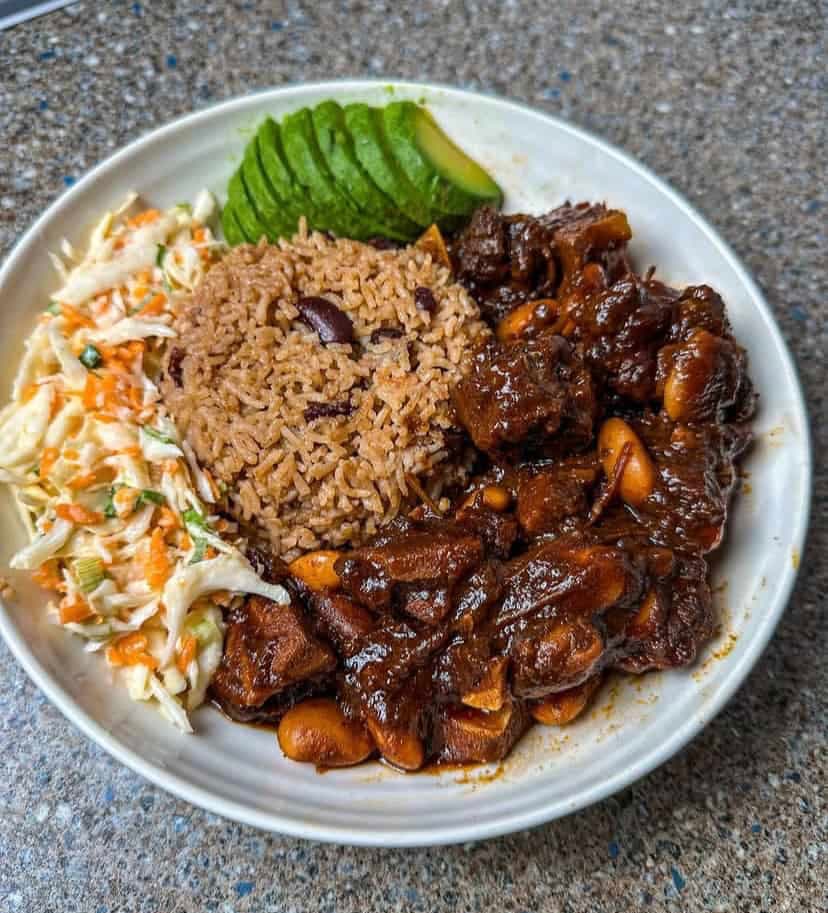
Ingredients
- 3 lbs oxtail pieces
- 1 large yellow onion, diced
- 4 cloves garlic, minced
- 2 medium carrots, diced
- 2 stalks celery, diced
- 1 can diced tomatoes, 14 oz
- 2 cups beef broth
- 1 cup red wine
- 2 tablespoons olive oil
- 2 tablespoons tomato paste
- 1 tablespoon Worcestershire sauce
- 1 teaspoon dried thyme
- 1 bay leaf
- Salt and black pepper to taste
- 2 tablespoons cornstarch mixed with 3 tablespoons cold water
- Fresh parsley for serving
For the rice and peas:
- 2 cups long grain white rice
- 1 can kidney beans, 15 oz, drained and rinsed
- 3 cups coconut milk mixed with 1 cup water
- 3 cloves garlic, minced
- 1 teaspoon dried thyme
- Salt and black pepper to taste
Instructions
Season the oxtail generously with salt and pepper.
Heat the oil in a large Dutch oven over medium-high and sear the oxtail pieces for 3 to 4 minutes per side until deeply browned on all surfaces.
Remove and set aside.
Cook the onion, carrots, and celery in the same pot for 5 minutes.
Add the garlic and tomato paste and stir for 2 minutes.
Pour in the red wine and simmer for 3 minutes.
Add the broth, tomatoes, Worcestershire, thyme, and bay leaf.
Return the oxtail.
Bring to a simmer, cover, and cook in a 325-degree oven for 3 to 3.5 hours until the meat is pulling away from the bone.
Stir in the cornstarch mixture and cook uncovered on the stovetop for 15 more minutes until the gravy thickens.
For the rice and peas, bring the coconut milk mixture, garlic, and thyme to a boil.
Add the rice and drained beans.
Stir once, reduce to low, cover, and cook for 18 minutes.
Rest covered for 5 minutes then fluff.
Bring both pots to the table.
Let everyone spoon braised oxtail and its rich gravy over their rice and peas.
17. Baked Ziti with Sausage and Three Cheeses
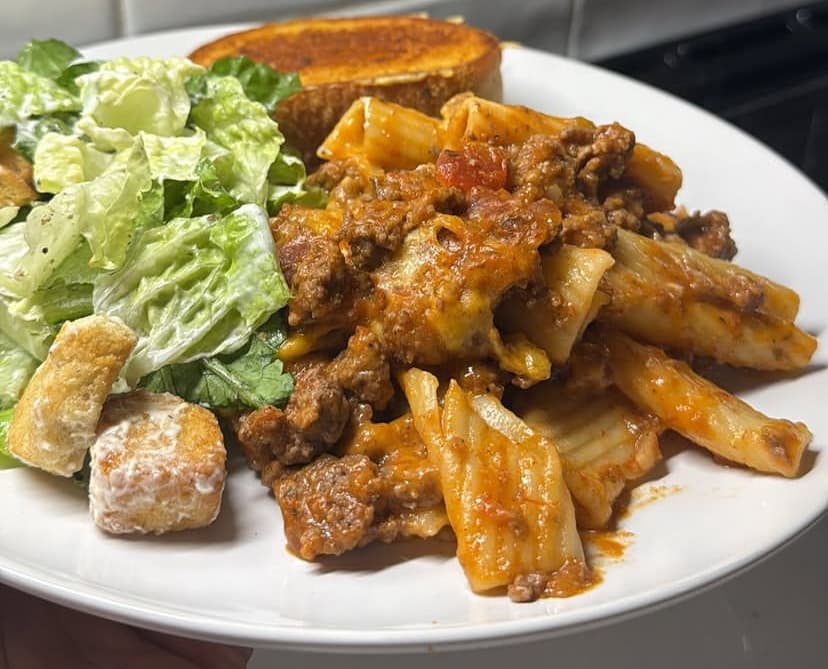
Ingredients
- 1 lb ziti or penne pasta
- 1 lb Italian sausage, casings removed
- 1 can crushed tomatoes, 28 oz
- 1 can diced tomatoes, 14 oz
- 1 small yellow onion, diced
- 4 cloves garlic, minced
- 2 tablespoons olive oil
- 1 teaspoon Italian seasoning
- 1 teaspoon sugar
- Salt and black pepper to taste
- 2 cups whole-milk ricotta
- 1 large egg
- 2 and 1/2 cups shredded whole-milk mozzarella, divided
- 1/2 cup grated Parmesan cheese, divided
- Fresh basil for serving
Instructions
Preheat the oven to 375 degrees.
Cook the pasta 2 minutes under the package time since it finishes in the oven.
Heat the olive oil in a large pot over medium-high.
Cook the sausage, breaking it apart, for 6 to 7 minutes until deeply browned.
Remove with a slotted spoon leaving some fat behind.
Cook the onion for 3 minutes.
Add the garlic and Italian seasoning and stir for a minute.
Return the sausage.
Add both cans of tomatoes and the sugar.
Season with salt and pepper. Simmer for 15 minutes.
Mix the ricotta, egg, half the Parmesan, salt, and pepper together until smooth.
Combine the cooked pasta with most of the meat sauce in a large bowl and stir together.
Grease a very large deep baking dish.
Spread a third of the pasta mixture in the bottom.
Drop spoonfuls of the ricotta mixture across the surface and spread roughly.
Add another third of the pasta and scatter half the mozzarella.
Add the final third of pasta and top with the remaining meat sauce, mozzarella, and Parmesan.
Cover with foil and bake for 25 minutes.
Remove the foil and bake for another 15 minutes until golden and bubbling.
Rest for 10 minutes before serving.
Scatter fresh basil over the top and bring the dish straight to the table.
18. Whole Roasted Duck with Orange Sauce
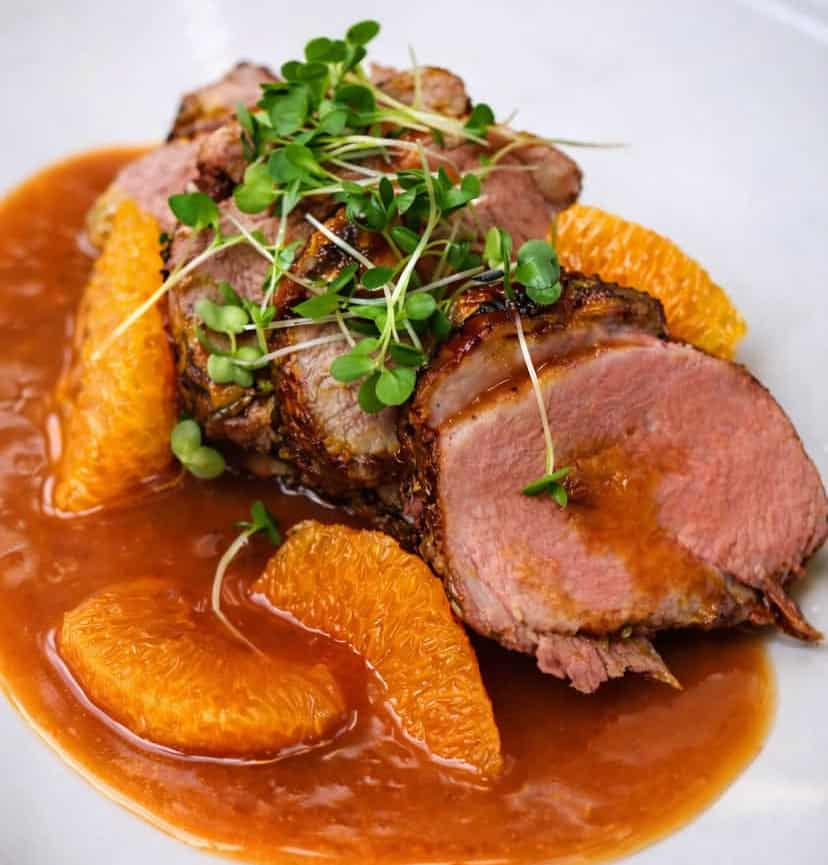
Ingredients
- 1 whole duck, approximately 5 lbs, giblets removed
- 1 orange, quartered for stuffing
- 1 teaspoon five spice powder
- 1 teaspoon garlic powder
- Salt and coarsely ground black pepper to taste
For the orange sauce:
- Juice and zest of 2 oranges
- 1/2 cup chicken broth
- 2 tablespoons honey
- 1 tablespoon Dijon mustard
- 1 tablespoon unsalted butter
- Salt and pepper to taste
- Roasted potatoes and green beans for serving
Instructions
Take the duck out of the refrigerator an hour before roasting.
Prick the skin all over with a fork or the tip of a sharp knife, especially around the thighs and breast.
This allows the copious amount of fat under the duck skin to render out during roasting.
Pat the duck completely dry inside and out.
Rub the five spice powder, garlic powder, salt, and pepper all over the skin and inside the cavity.
Stuff the cavity with the orange quarters.
Place the duck breast-side up on a rack in a large roasting pan.
Roast at 425 degrees for 20 minutes to get the skin started.
Reduce to 350 degrees and continue roasting for 1 hour and 30 minutes to 1 hour and 45 minutes, draining the rendered fat from the pan every 30 minutes.
The duck is done when the internal temperature reads 165 degrees at the thickest part of the thigh and the skin is deeply golden and crispy.
While the duck rests, make the orange sauce.
Combine the orange juice, zest, broth, honey, and Dijon in a small saucepan.
Simmer for 5 to 8 minutes until reduced by a third.
Whisk in the butter.
Season with salt and pepper.
Let the duck rest for 15 minutes.
Carve at the table with the orange sauce alongside and roasted potatoes and green beans to complete the meal.
19. Slow Cooker Chicken Cacciatore
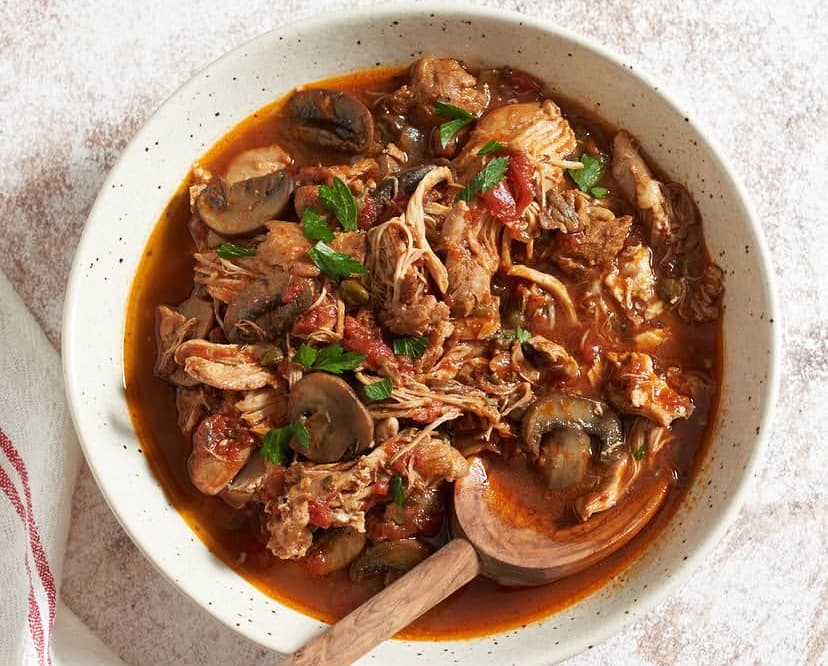
Ingredients
- 8 bone-in skin-on chicken thighs and drumsticks
- 2 cans crushed tomatoes, 28 oz each
- 1 large yellow onion, diced
- 4 cloves garlic, minced
- 2 red bell peppers, diced
- 1 cup dry white wine
- 1 cup chicken broth
- 1 cup black olives, pitted
- 3 tablespoons capers, drained
- 2 tablespoons olive oil
- 1 teaspoon dried oregano
- 1 teaspoon dried basil
- 1 teaspoon Italian seasoning
- Salt and black pepper to taste
- Fresh parsley and Parmesan for serving
- Pasta or crusty bread for serving
Instructions
Pat the chicken pieces dry and season generously with salt and pepper.
Heat the olive oil in a large skillet over medium-high.
Sear the chicken skin-side down in batches for 5 to 6 minutes until golden.
Do not cook through.
Transfer to the slow cooker.
In the same skillet, cook the onion and bell peppers for 4 minutes.
Add the garlic and Italian seasoning and stir for a minute.
Pour in the white wine and let it simmer for 2 minutes.
Add the crushed tomatoes and broth and stir.
Pour the tomato mixture over the chicken in the slow cooker.
Add the olives and capers.
Cover and cook on low for 6 to 7 hours or high for 3 to 4 hours.
The chicken should be falling off the bone.
Transfer everything to a large wide serving dish.
Scatter fresh parsley and Parmesan over the top.
Bring to the table with pasta or crusty bread alongside.
Chicken cacciatore served in a large shallow dish with the whole family scooping from it is one of the most genuinely satisfying ways to eat dinner together.
20. Texas Style Beef Brisket
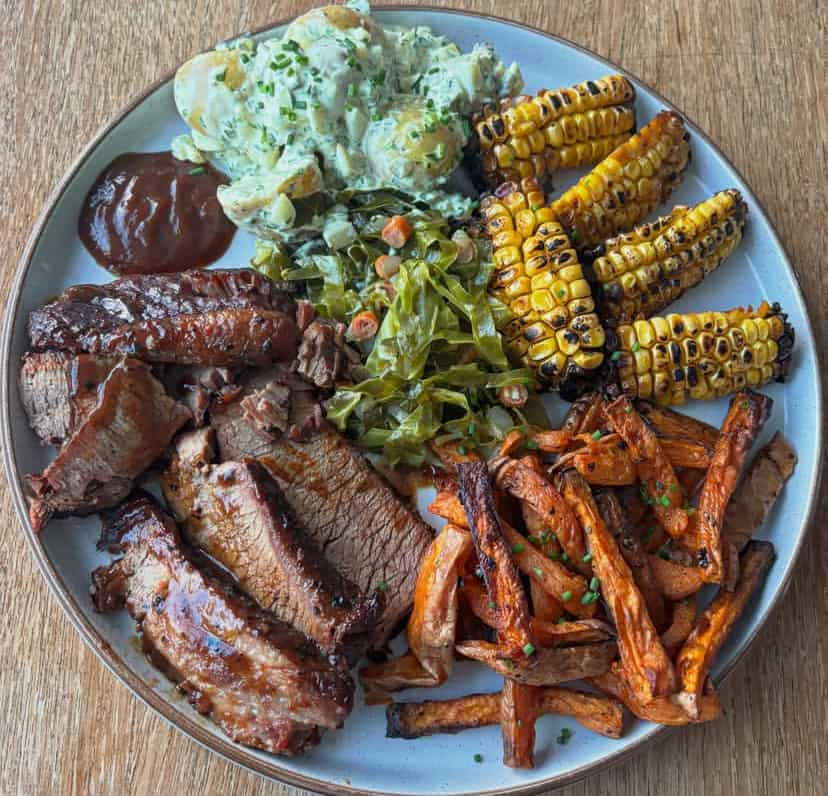
Ingredients
- 1 whole beef brisket, 8 to 10 lbs, fat cap trimmed to about 1/4 inch
- 3 tablespoons coarse kosher salt
- 3 tablespoons coarsely ground black pepper
- 1 tablespoon garlic powder
- 1 tablespoon smoked paprika
- Yellow mustard for binding
- Wood chips for smoking or the oven method below
For the oven method:
- 1 cup beef broth
- 1 tablespoon Worcestershire sauce
For serving:
- Coleslaw, pickles, sliced white onion, pickled jalapeños, soft white bread, and BBQ sauce
Instructions
Rub the entire brisket surface with a thin layer of yellow mustard.
Mix the salt, pepper, garlic powder, and smoked paprika together and press this rub generously over every surface, including the sides and underside.
For the oven method, preheat the oven to 225 degrees.
Place the brisket fat-side up in a large roasting pan.
Mix the beef broth and Worcestershire and pour around the base of the brisket.
Cover the entire pan very tightly with two layers of foil.
No steam should be able to escape.
Cook at 225 degrees for 1 to 1.25 hours per pound.
A 10 lb brisket needs about 10 to 12 hours.
At the 165-degree internal temperature mark the brisket will stall and stop rising in temperature for an extended period.
Leave it alone and trust the process.
Continue cooking until the internal temperature reaches 200 to 205 degrees and a probe slides into the thickest part of the flat with no resistance.
Let the brisket rest wrapped for at least 1 hour before slicing.
Slice against the grain into pencil-thick slices.
Serve on a large carving board in the center of the table with coleslaw, pickles, sliced onion, pickled jalapeños, soft white bread, and BBQ sauce arranged around it.
21. Korean Galbi Short Ribs with Rice and Banchan
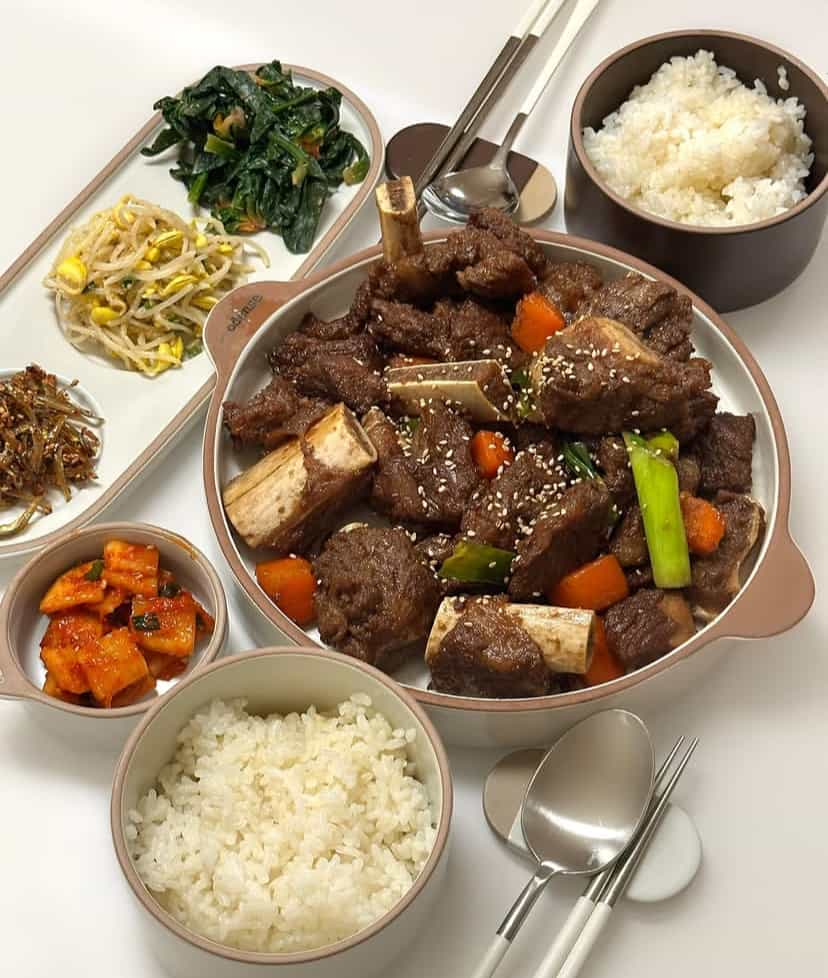
Ingredients
- 3 lbs flanken-cut beef short ribs, cross-cut about 1/3 inch thick
- For the marinade:
- 1/2 cup soy sauce
- 1/4 cup honey
- 1/4 cup brown sugar
- 1/4 cup sesame oil
- 6 cloves garlic, minced or grated
- 1 Asian pear or kiwi, peeled and grated, tenderizes the meat
- 1 tablespoon fresh ginger, grated
- 2 green onions, thinly sliced
- 1 teaspoon sesame seeds
- 1 teaspoon black pepper
For the table:
- Cooked white rice
- Kimchi
- Steamed spinach seasoned with sesame oil and soy sauce
- Sliced cucumber in rice vinegar
- Gochujang sauce
- Sesame seeds and sliced green onions
Instructions
Combine all the marinade ingredients and stir until the sugar dissolves.
The grated pear or kiwi contains enzymes that tenderize the meat so do not skip it.
Submerge the short ribs in the marinade, making sure every surface is coated.
Cover and refrigerate for at least 4 hours and ideally overnight.
Remove the ribs from the marinade and let any excess drip off.
Pat them lightly dry before grilling.
Surface marinade that is too wet burns rather than caramelizes.
Grill over high direct heat for 2 to 3 minutes per side until the surface is caramelized and slightly charred.
These ribs are thin and cook fast.
Watch them closely.
Arrange the cooked ribs on a large platter and scatter sesame seeds and green onions over the top.
Set the rice, kimchi, seasoned spinach, cucumber, and gochujang in separate bowls around the center of the table.
Korean family dining is inherently communal and the array of small dishes alongside the main protein is part of what makes it such a satisfying experience.
22. Whole Roasted Salmon with Herb Crust
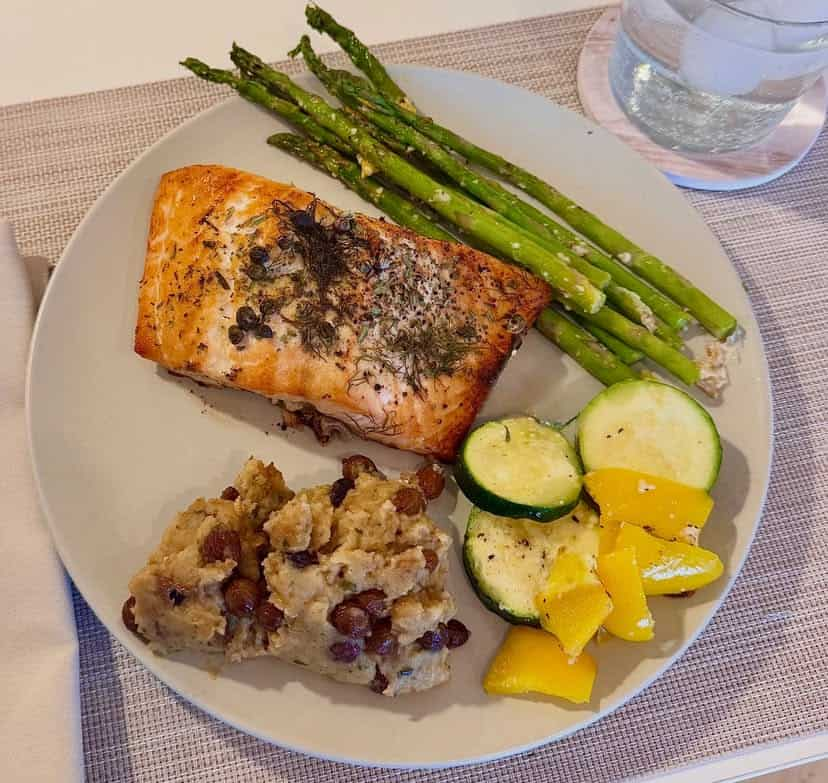
Ingredients
- 1 whole side of salmon, approximately 3 to 4 lbs, skin on
For the herb crust:
- 1/2 cup fresh parsley, finely chopped
- 1/4 cup fresh dill, finely chopped
- 2 tablespoons fresh chives, finely chopped
- Zest of 2 lemons
- 4 cloves garlic, finely grated
- 3 tablespoons olive oil
- 2 tablespoons Dijon mustard
- Salt and black pepper to taste
For serving:
- Sliced lemons, capers, crème fraîche or Greek yogurt sauce, arugula salad, and crusty bread
Instructions
Preheat the oven to 400 degrees.
Line a very large baking sheet with parchment paper.
Place the salmon skin-side down on the prepared sheet.
Mix the parsley, dill, chives, lemon zest, garlic, olive oil, and Dijon together into a thick herb paste.
Season with salt and pepper.
Spread the Dijon mustard thinly across the entire top surface of the salmon first.
Then press the herb crust mixture firmly and evenly over the mustard in a thick, even layer covering every part of the flesh.
Arrange lemon slices around the salmon on the baking sheet.
Bake for 15 to 18 minutes depending on thickness.
The salmon is done when the thickest part flakes when pressed with a fork and the flesh is opaque throughout.
Do not overcook.
Salmon dries out quickly beyond the right point.
Slide the whole side of salmon on its parchment directly onto a large serving platter or wooden board.
Arrange extra lemon slices around it.
Set crème fraîche or a simple yogurt sauce with capers alongside along with an arugula salad and crusty bread.
People serve themselves directly from the platter which is one of the most effortless ways to feed a crowd.
23. Roasted Rack of Pork with Apple and Fennel
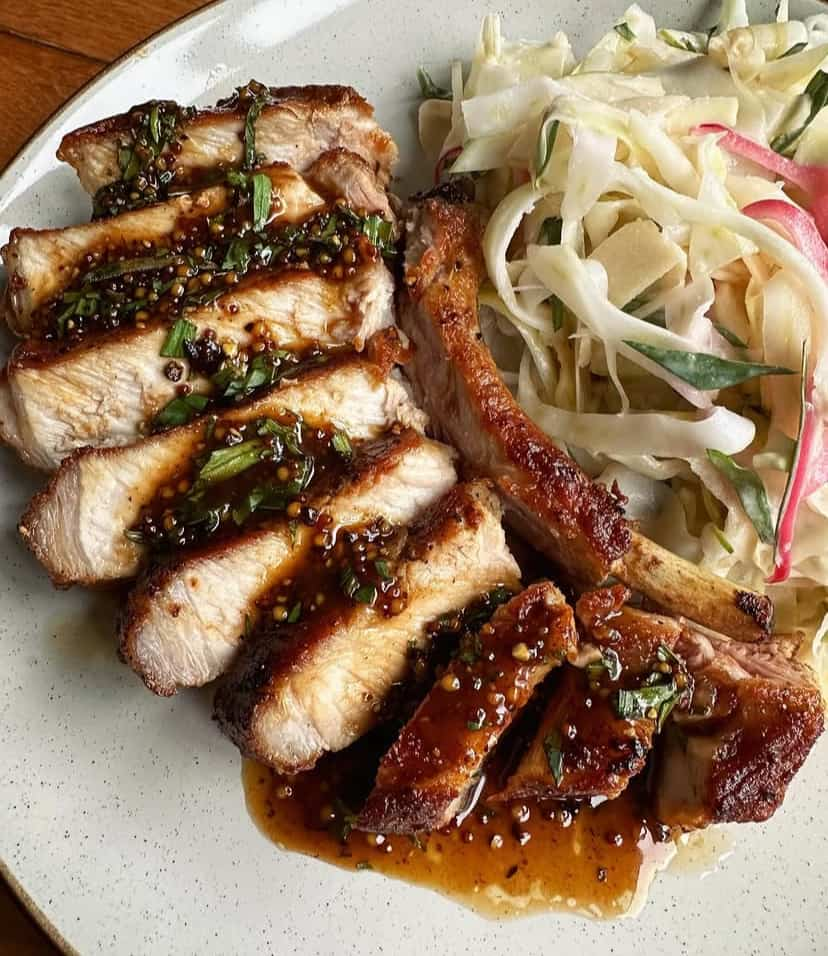
Ingredients
- 1 bone-in rack of pork, approximately 4 lbs, frenched
- 3 tablespoons olive oil
- 4 cloves garlic, minced
- 1 tablespoon fresh rosemary, finely chopped
- 1 tablespoon fresh thyme leaves
- 1 teaspoon smoked paprika
- Salt and coarsely ground black pepper to taste
For the roasting pan:
- 3 medium apples, cored and quartered
- 2 fennel bulbs, cut into wedges
- 1 large yellow onion, cut into wedges
- 2 tablespoons olive oil
- Salt and pepper to taste
- 1/2 cup white wine or apple cider
Instructions
Preheat the oven to 450 degrees.
Mix the olive oil, garlic, rosemary, thyme, smoked paprika, salt, and pepper together.
Score the fat cap of the pork rack in a crosshatch pattern.
Rub the herb oil all over every surface of the rack pressing it into the scored fat.
Toss the apples, fennel, and onion with olive oil, salt, and pepper and spread in a large roasting pan.
Pour the wine or apple cider into the bottom of the pan.
Place the rack of pork bone-side down on top of the apple and fennel mixture.
Roast at 450 degrees for 15 minutes to start the crust then reduce to 375 degrees and continue roasting for about 1 hour to 1 hour and 15 minutes until the internal temperature reads 145 degrees at the thickest point between the bones.
Rest for 15 minutes before slicing between the bones into individual chops.
Bring the whole roasting pan to the table and slice there.
The roasted apple and fennel underneath have become sweet and jammy and serve as a natural sauce for the pork.
24. Whole Steamed Fish with Ginger and Soy
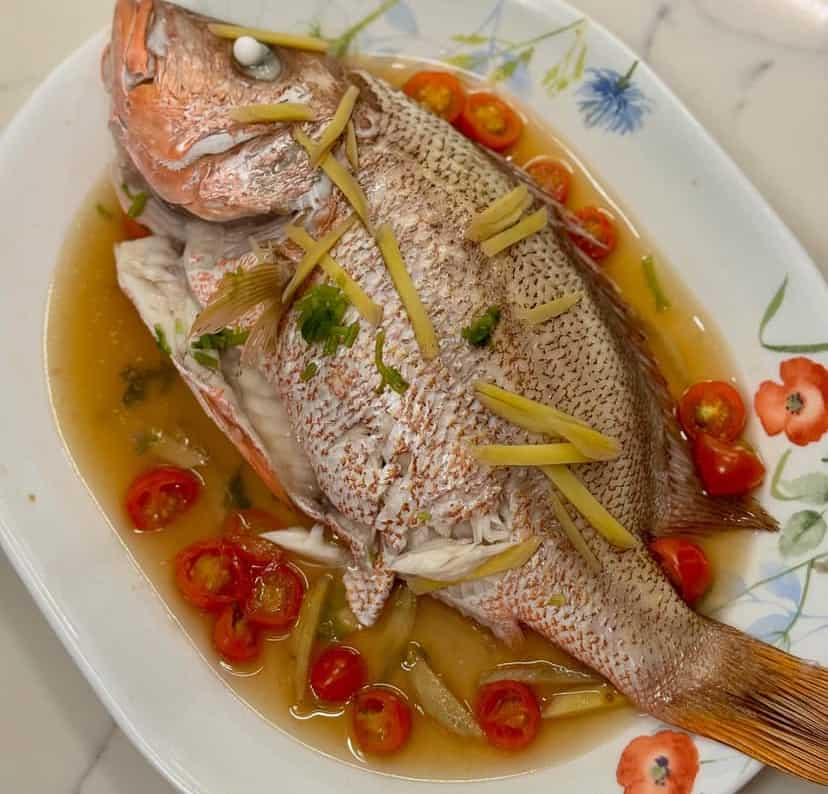
Ingredients
- 2 whole fish such as sea bass, red snapper, or tilapia, approximately
- 2 lbs each, cleaned
- 3 inches fresh ginger, peeled and cut into thin matchsticks
- 6 cloves garlic, thinly sliced
- 4 green onions, cut into 3-inch pieces
- 2 tablespoons soy sauce
- 1 tablespoon sesame oil
- Salt to taste
For the hot oil finish:
- 1/4 cup neutral oil
- 4 cloves garlic, thinly sliced
- 2 inches fresh ginger, cut into matchsticks
- 3 green onions, thinly sliced
- 3 tablespoons soy sauce
- 1 tablespoon sesame oil
- Fresh cilantro for serving
- Cooked jasmine rice for serving
Instructions
Pat the fish dry inside and out.
Make three diagonal cuts through the skin on both sides of each fish.
Season the inside cavity with salt.
Stuff each cavity with some of the ginger matchsticks, garlic slices, and green onion pieces.
Set up a large steamer or use a wok with a steamer insert.
Lay the fish on a heatproof plate that fits inside the steamer.
Scatter the remaining ginger and garlic over the top of each fish.
Steam over high heat for 12 to 15 minutes until the flesh is opaque and flakes easily at the thickest point.
While the fish steams, prepare the hot oil finish.
Heat the neutral oil in a small saucepan over medium-high until very hot, almost smoking.
Arrange the sliced garlic, ginger, and green onions over the top of the steamed fish.
Pour the hot oil directly over the aromatics.
They will sizzle dramatically and the heat blooms their flavors instantly.
Mix the soy sauce and sesame oil together and drizzle over the fish.
Scatter cilantro over the top.
Bring the whole plate to the table and serve with jasmine rice.
25. Antipasto Sharing Board with Cured Meats and Cheese
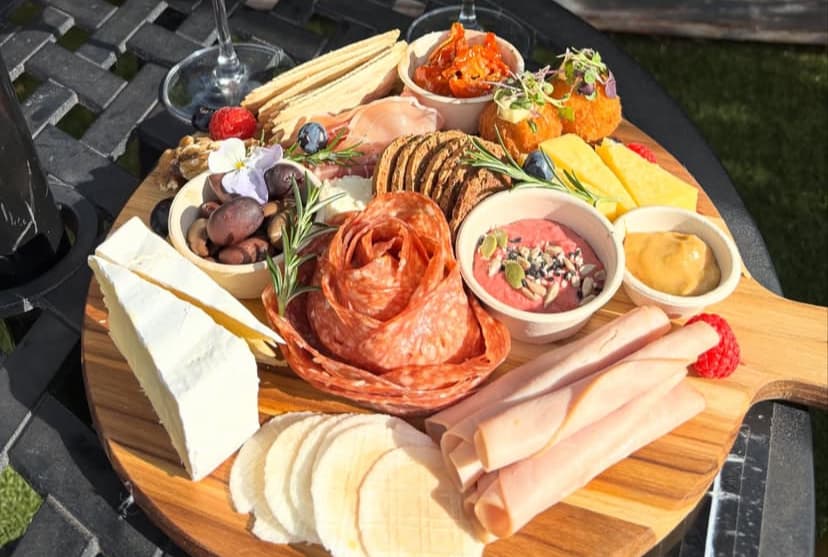
Ingredients
For the meats:
- 8 oz thinly sliced prosciutto
- 8 oz thinly sliced salami or soppressata
- 6 oz thinly sliced coppa or bresaola
For the cheeses:
- 8 oz aged Parmigiano Reggiano, broken into chunks
- 8 oz fresh burrata
- 6 oz sharp provolone, sliced
- 6 oz aged pecorino or manchego
For the accompaniments:
- 1 cup mixed marinated olives
- 1 cup roasted red peppers, sliced
- 1 cup marinated artichoke hearts, drained
- 1/2 cup cornichons
- 1/2 cup sun-dried tomatoes in oil
- 1 cup cherry tomatoes
- A handful of fresh basil leaves
- 2 tablespoons good honey
- Good crackers, sliced baguette, and breadsticks
- Extra virgin olive oil and flaky sea salt for finishing
Instructions
This meal requires no cooking. The work is entirely in the sourcing and arrangement.
Use the largest board or platter you own.
If you do not have one large enough, use two boards side by side or a clean wooden table covered with butcher paper.
Anchor the board with the three or four bowls of loose items first.
The olives, roasted red peppers, artichoke hearts, and cornichons all need a container so they do not roll around.
Place these at intervals across the board creating structure.
Tear the burrata open slightly and place it near the center.
Drizzle olive oil over it and add a pinch of flaky sea salt.
Break the Parmigiano into irregular chunks.
Arrange the provolone and pecorino in separate clusters.
Fold the prosciutto into loose rosettes by gathering each slice loosely in your fingers.
Fan the salami and coppa into overlapping arcs.
The meats should look abundant and casual rather than stacked flat.
Fill every remaining gap with cherry tomatoes, sun-dried tomatoes, basil leaves, crackers, sliced baguette, and breadsticks arranged around the perimeter.
Drizzle honey over the aged cheeses.
Drizzle olive oil across the meats.
Scatter a little flaky sea salt across the board.
A board like this feeds people for hours if you let it.
Set it in the middle of the table when people arrive and let the meal unfold naturally.
Tips for Family-Style Serving
The whole idea of family-style eating is that food sits in the center and everyone reaches.
That means big pots, wide platters, deep serving bowls, and enough table space for it all to breathe.
Clear the table before you bring anything out.
A cluttered table makes family-style service feel chaotic rather than generous.
Plan for more food than you think you need.
Family-style portions tend to disappear faster than plated ones because people come back for seconds without thinking about it.
Using the larger end of any quantity range in these recipes is usually the right call.
Bring food to the table in the vessel it cooked in whenever possible.
The Dutch oven full of braised short ribs or the roasting pan with a whole chicken is more impressive and more practical than transferring to a serving dish.
Fewer dishes to wash afterward is also a genuine benefit.
Keep a large serving spoon or two at every dish on the table.
Communal eating works smoothly when people do not have to hunt for a way to serve themselves.
A ladle for soups and braises, tongs for whole pieces of meat, and a wide spatula for baked dishes are the three tools that cover most situations.
Time the meal so everything arrives at the same temperature.
Cold food alongside hot food is one of the more frustrating parts of family-style dining when it is not managed well.
Anything that can rest in a warm oven while the final elements finish is worth putting there.
Ingredient Swaps Worth Knowing
Lamb shanks and lamb shoulder are interchangeable in any braised lamb recipe with minor timing adjustments.
Pork shoulder and pork leg swap in any slow-roasted pork recipe.
Any firm white fish works in place of sea bass or branzino in the whole baked fish and steamed fish recipes.
Andouille and smoked kielbasa are direct swaps in the jambalaya and seafood boil.
Any canned crushed tomato brand works in the braises and sauces throughout.
Polenta and creamy mashed potato swap as serving bases for braises and short ribs.
Preserved lemons can be replaced with the zest and juice of two fresh lemons in the chicken tagine with a slightly different but still excellent result.
Storage Tips
Braised dishes like the short ribs, oxtail, lamb shanks, and chicken cacciatore taste significantly better the following day after the flavors have had overnight to develop and deepen.
Store them in the pot or in airtight containers in the refrigerator for up to four days.
All of them reheat beautifully over medium-low heat with a splash of broth or water.
Whole roasted meats like the chicken, duck, and brisket keep well for four days and reheat wrapped in foil in a 300-degree oven.
The seafood boil is best eaten fresh and does not store well.
The antipasto board components store separately for three to four days.
Cooked grains like rice and polenta keep for five days and reheat with a splash of water.